
Parc Litoral de les Tres Xemeneies
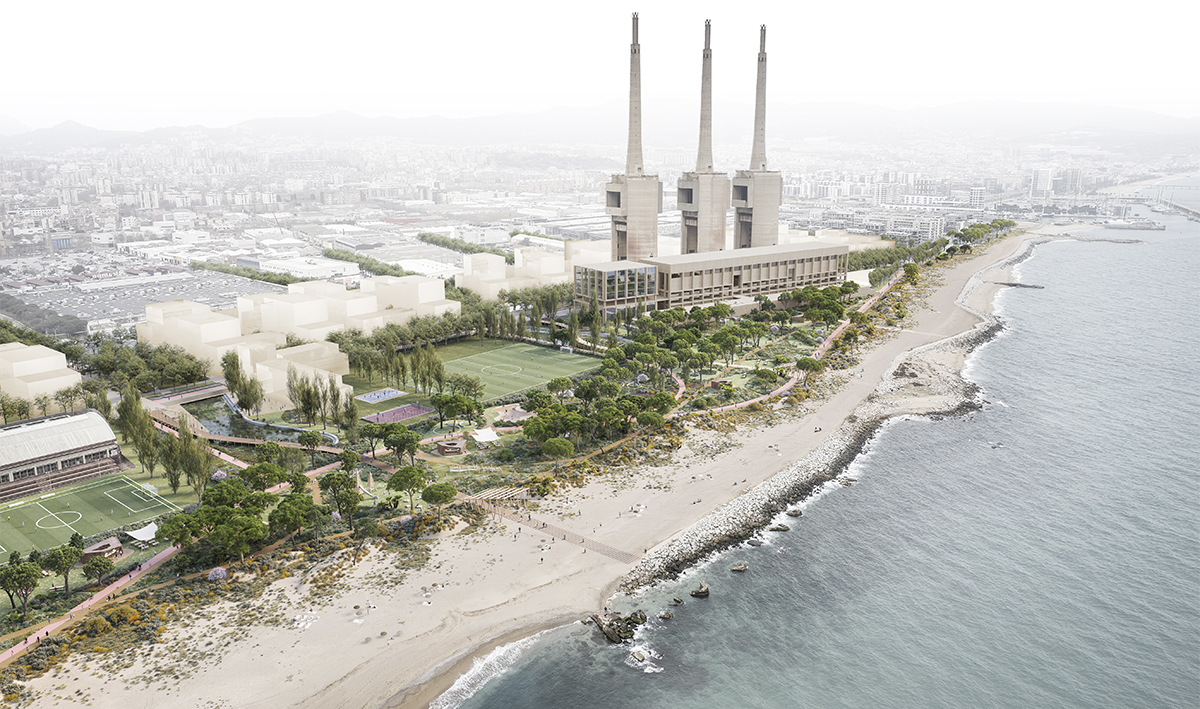
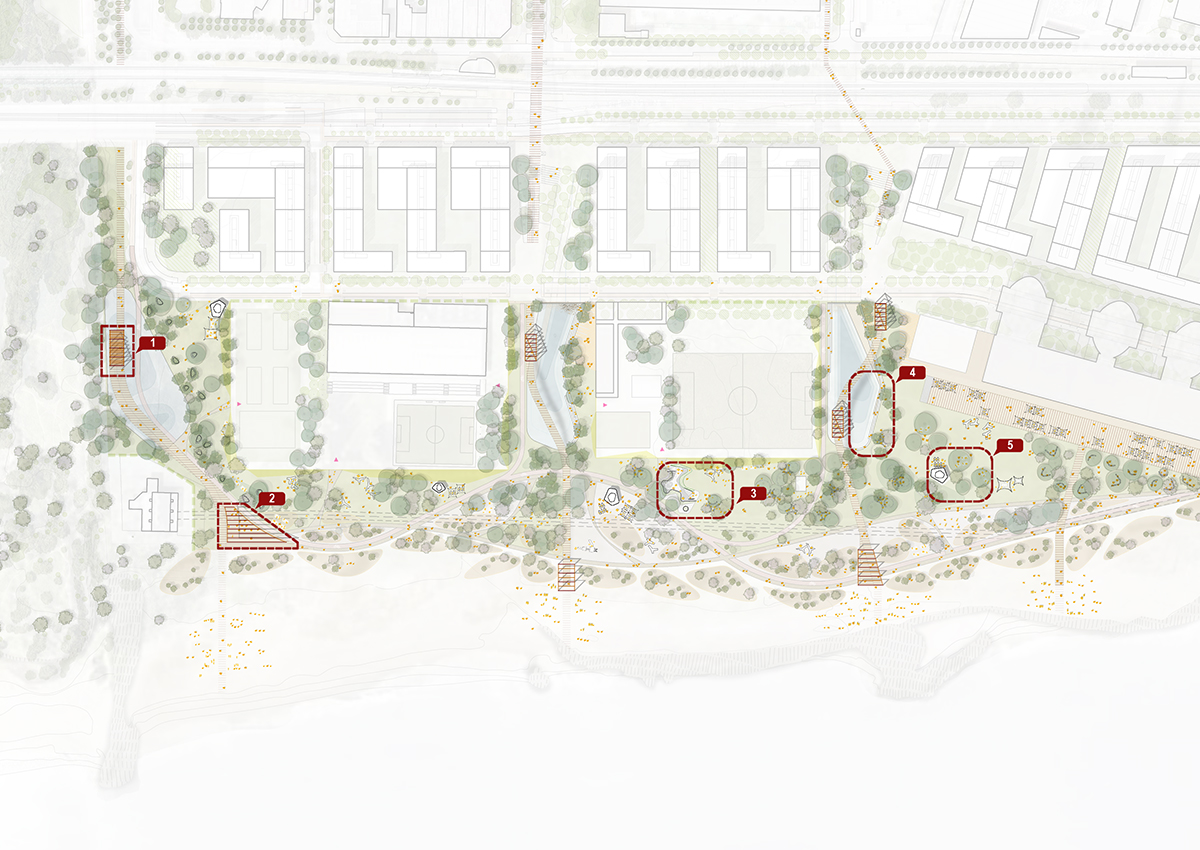
Parc Litoral de les Tres Xemeneies is conceived as a unifying coastal landscape for the imminent transformation of Sant Adrià de Besòs and Badalona, where new housing and mixed-use development, the conversion of the iconic power plant into Catalunya Media City, and major infrastructural works will converge. The proposal positions the park as a soft threshold between the urban edge and the natural shoreline, dissolving today’s industrial hardness through gentle landform, site-adapted planting, and a progressive soil renaturalisation strategy.
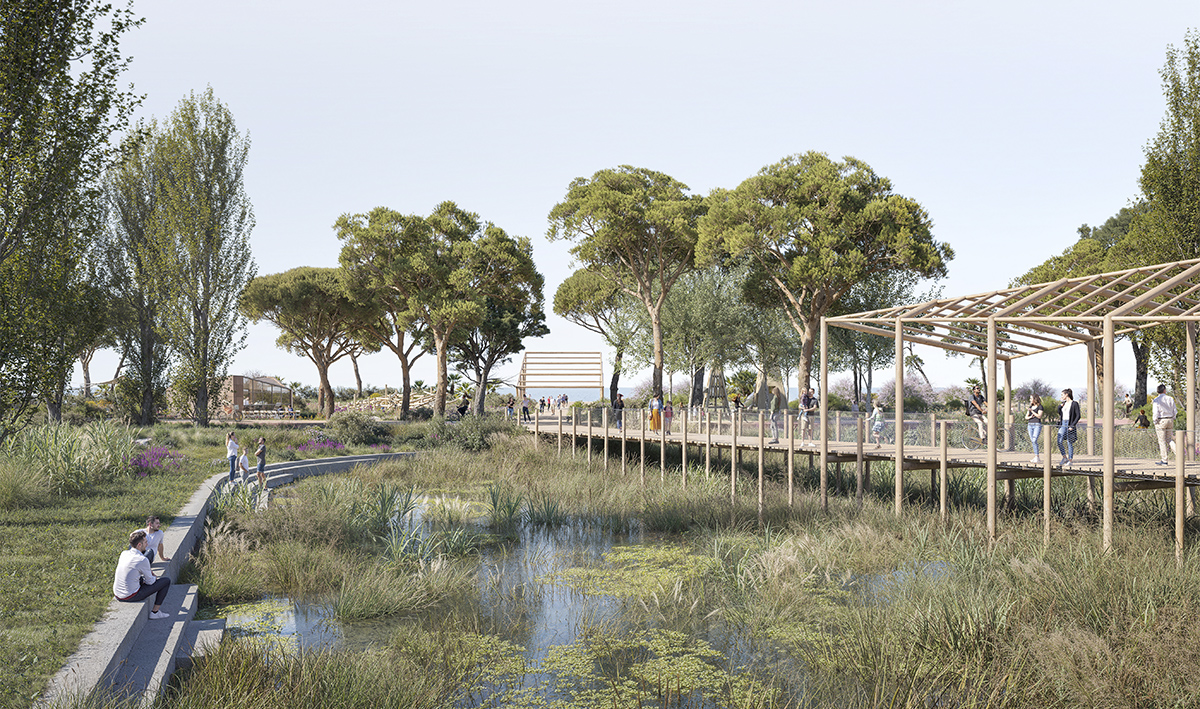
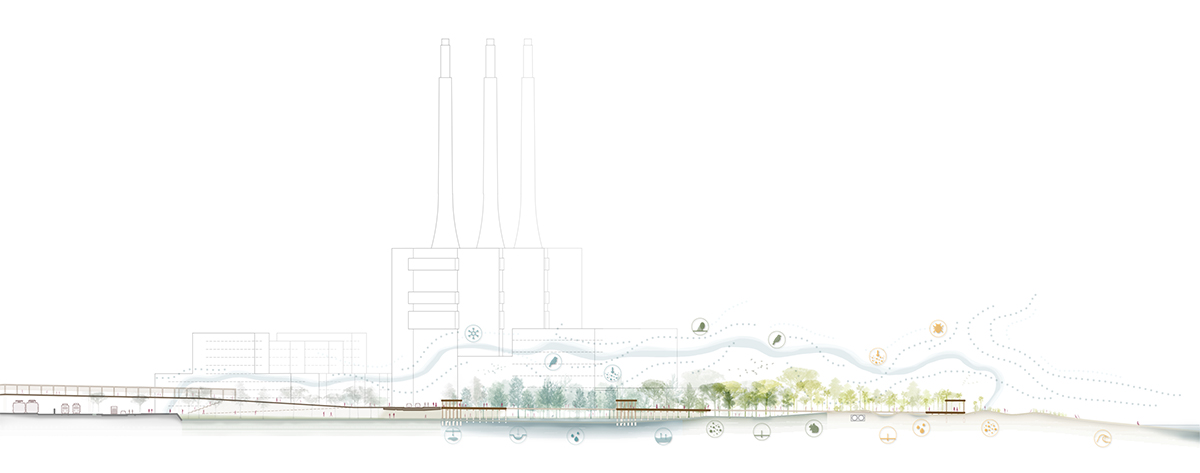
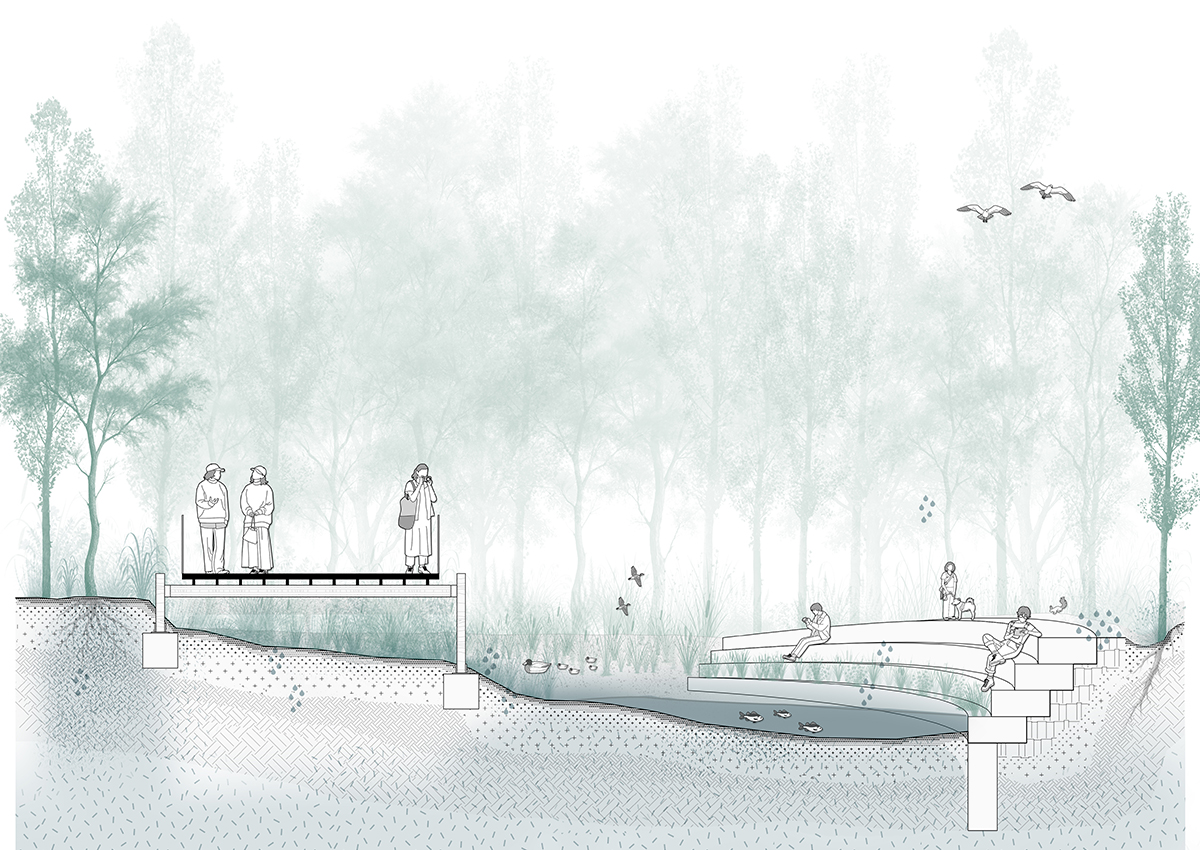
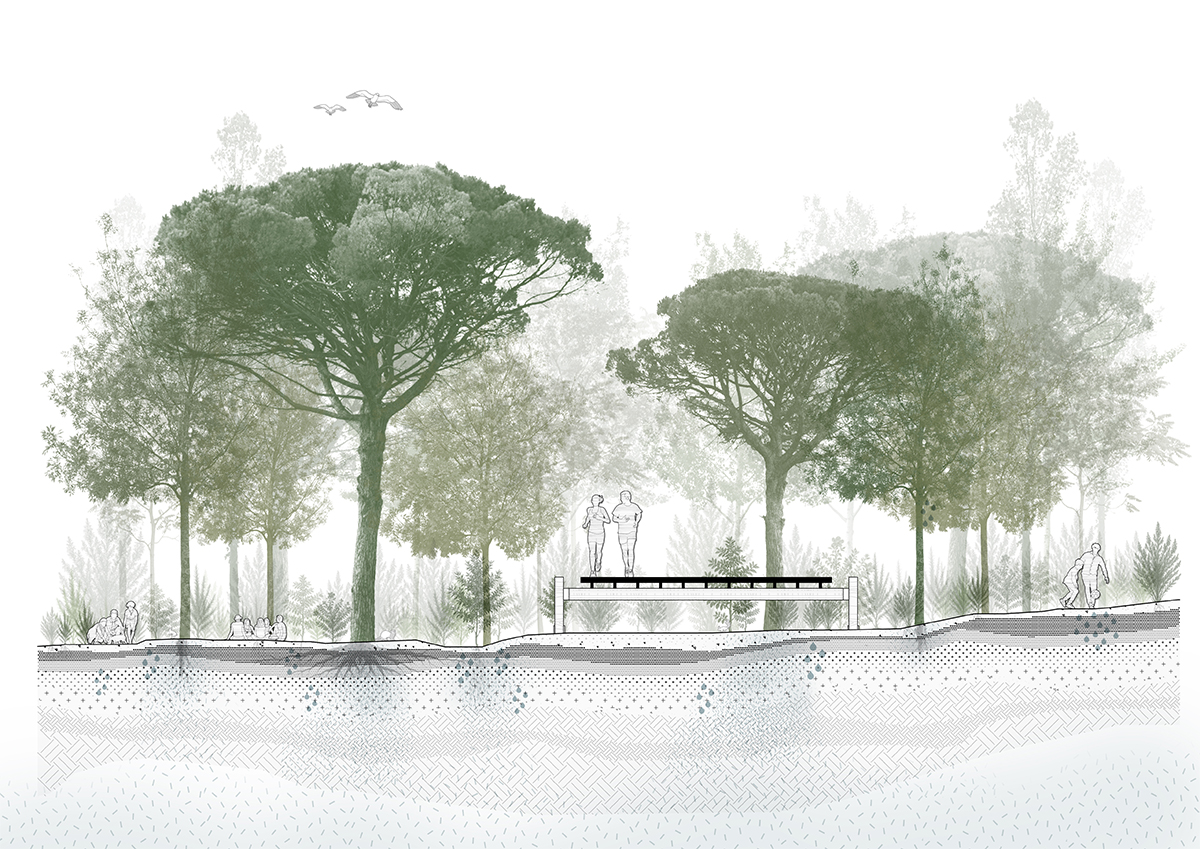
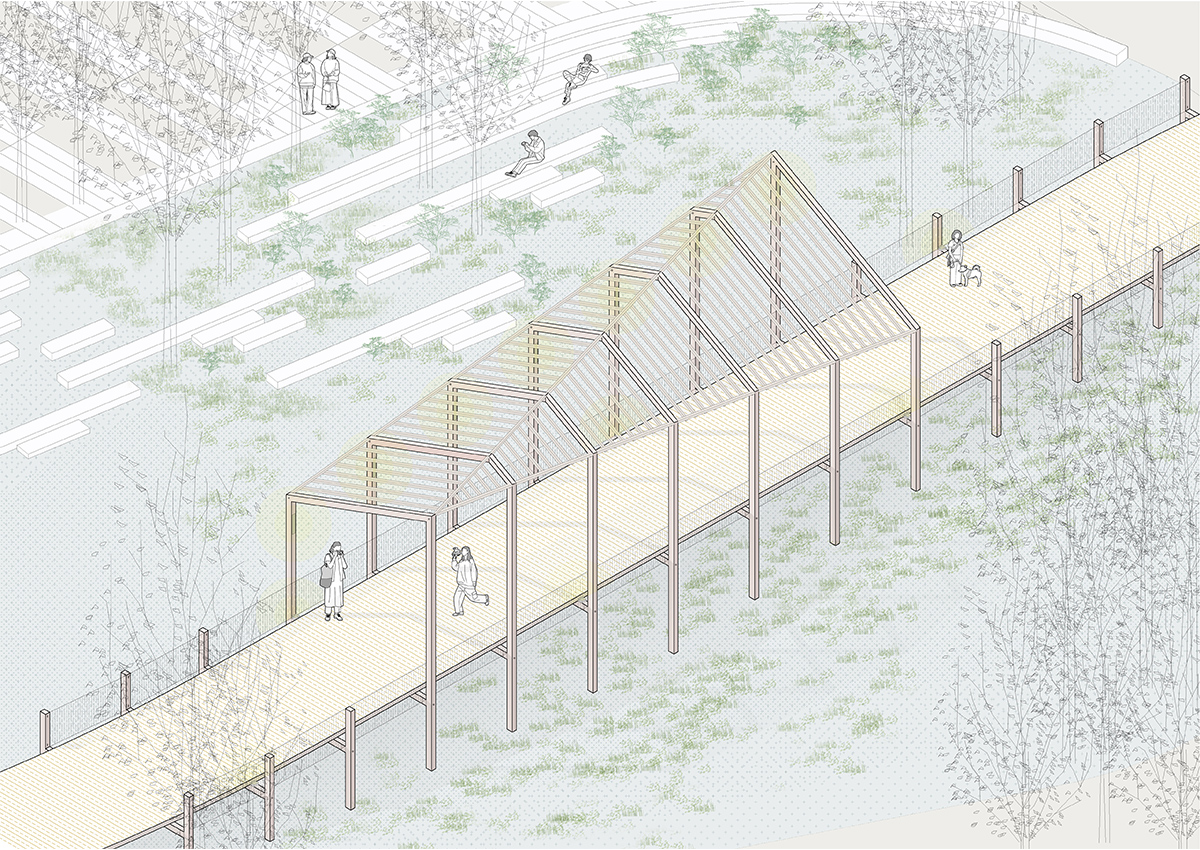
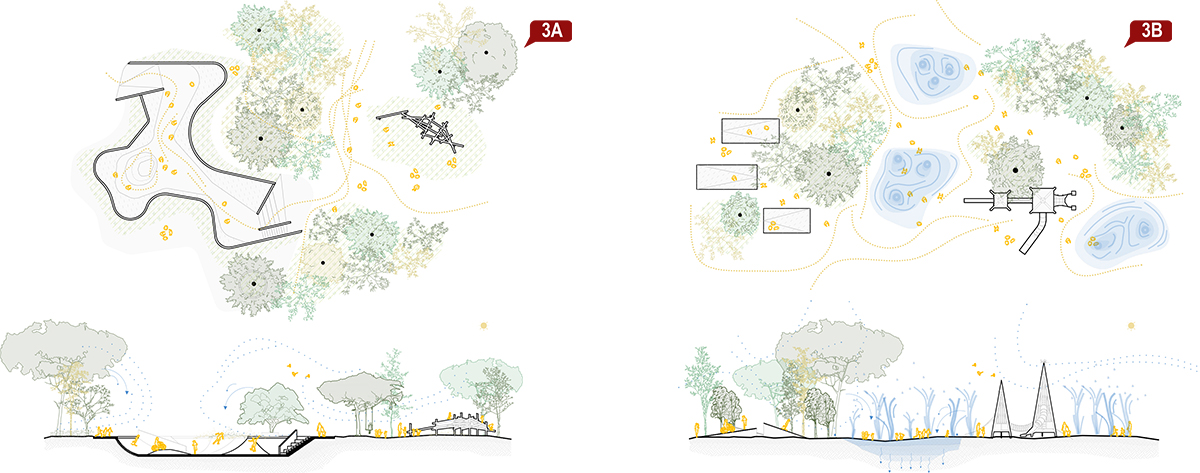
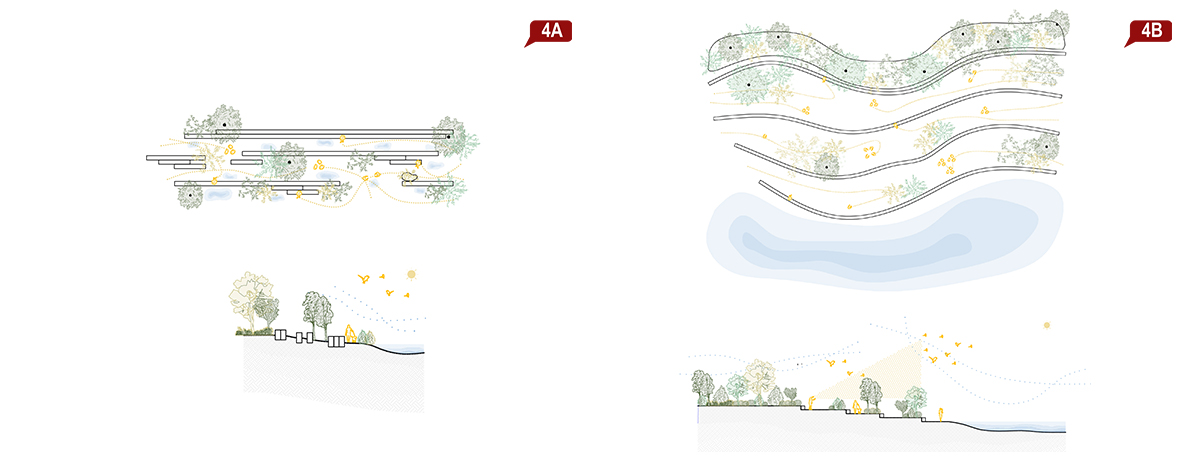
A continuous network of timber boardwalks and active-mobility paths stitches together transversal links across Avinguda d’Eduard Maristany and a longitudinal promenade along the sea. These elevated routes traverse a sequence of habitats—rain gardens and lagoons, Mediterranean groves, seasonal clearings, and restored dunes—allowing ecological processes to continue uninterrupted while offering accessible, high-quality public space.
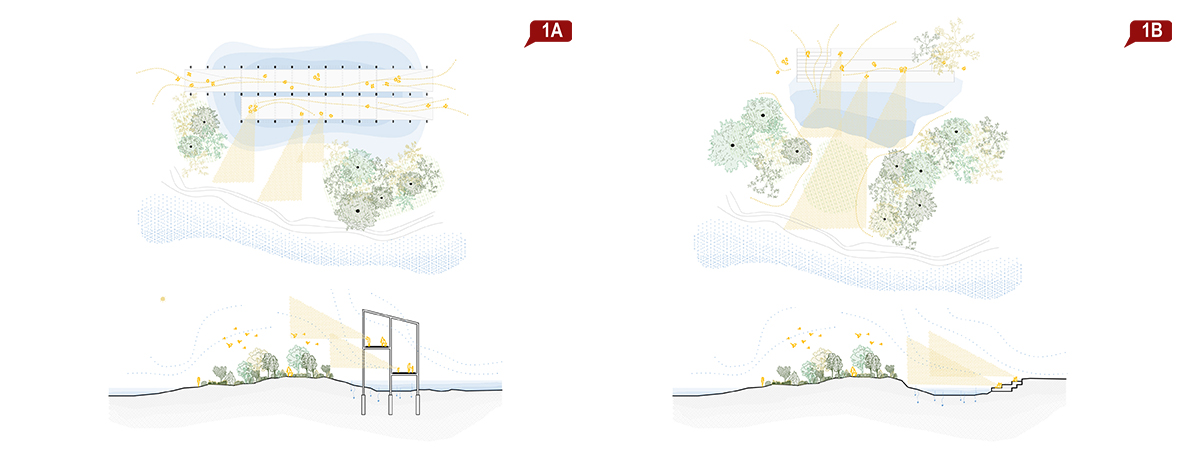
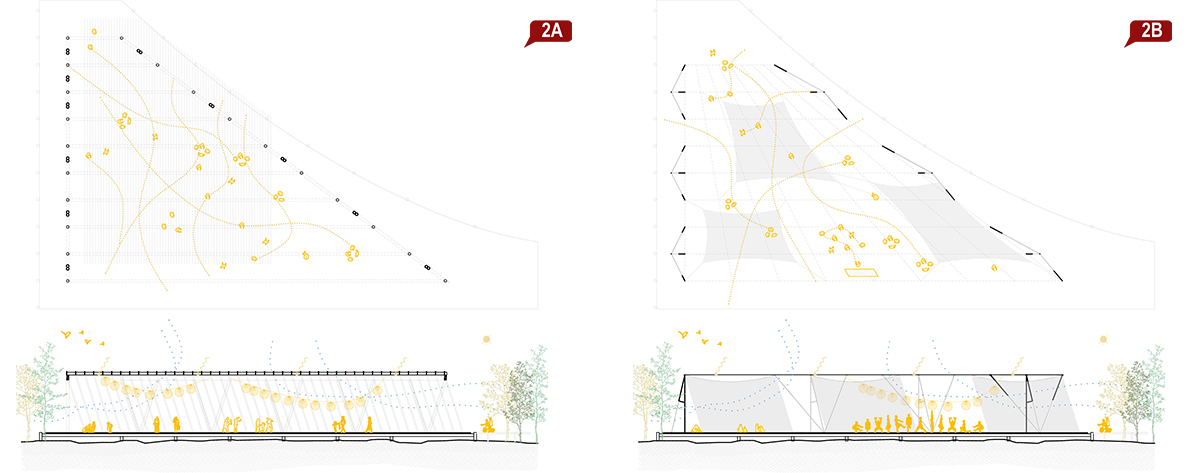
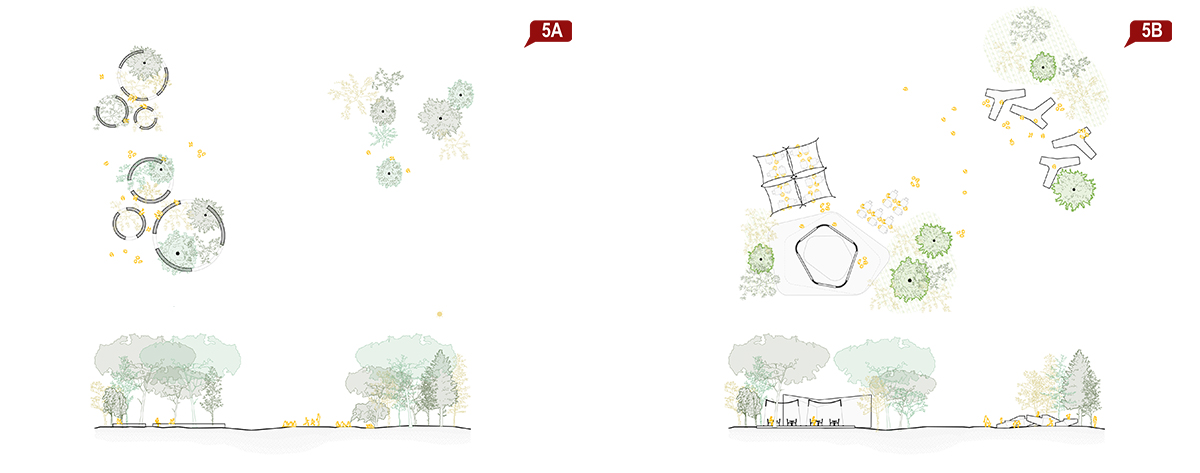
The park integrates nature-based water management (SUDS) for infiltration, attenuation, and groundwater recharge, coupled with coastal protection through dune systems. Lightweight pergolas, observation platforms, and flexible social-program areas support community life, environmental education, and climate resilience.

Parc Litoral de les Tres Xemeneies is conceived as a unifying coastal landscape for the imminent transformation of Sant Adrià de Besòs and Badalona, where new housing and mixed-use development, the conversion of the iconic power plant into Catalunya Media City, and major infrastructural works will converge. The proposal positions the park as a soft threshold between the urban edge and the natural shoreline, dissolving today’s industrial hardness through gentle landform, site-adapted planting, and a progressive soil renaturalisation strategy.
A continuous network of timber boardwalks and active-mobility paths stitches together transversal links across Avinguda d’Eduard Maristany and a longitudinal promenade along the sea. These elevated routes traverse a sequence of habitats—rain gardens and lagoons, Mediterranean groves, seasonal clearings, and restored dunes—allowing ecological processes to continue uninterrupted while offering accessible, high-quality public space.
The park integrates nature-based water management (SUDS) for infiltration, attenuation, and groundwater recharge, coupled with coastal protection through dune systems. Lightweight pergolas, observation platforms, and flexible social-program areas support community life, environmental education, and climate resilience.